


-
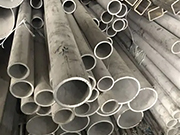
Why Does 304 Stainless Steel Pipe Crack? Common Causes and Prevention
304 stainless steel pipe is widely used in industrial piping, food processing, water systems, and general engineering because it offers good corrosion resistance, formability, and weldability. However, it can still develop cracks during fabrication or service. The cause may involve welding, exces...Read more -
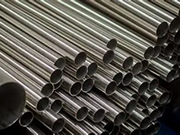
Why Is 304 Stainless Steel Pipe Rust-Resistant and Corrosion-Resistant
304 stainless steel pipe is widely used in industrial equipment, architectural structures, food-processing facilities, and general piping systems. Its combination of corrosion resistance, formability, and weldability makes it a practical choice for many applications. However, stainless steel is n...Read more -
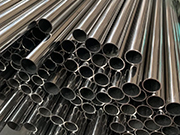
Does Brushed 304 Stainless Steel Pipe Still Resist Rust
Brushed 304 stainless steel pipe is commonly used for decorative railings, architectural structures, furniture frames, and general industrial applications. Its directional satin finish gives the surface a consistent appearance and helps make minor scratches less noticeable than on some highly pol...Read more -
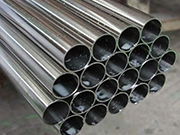
How to Choose High-Quality 316 Stainless Steel Pipe
Choosing the right 316 stainless steel pipe involves more than checking the grade or comparing prices. For industrial piping, chemical processing, marine-related projects, and other demanding applications, buyers need to consider service conditions, manufacturing method, dimensional requirements,...Read more -
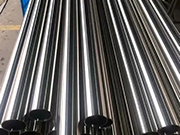
Why Do 316 Stainless Steel Pipe Surface Requirements Vary by Environment
316 stainless steel pipe is widely used in industrial processing, marine installations, chemical plants and food production. Its chromium-rich passive film provides corrosion resistance, while molybdenum improves resistance to localized corrosion in many chloride-containing environments. However,...Read more -
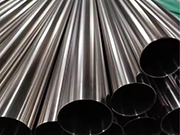
Common 316 Stainless Steel Pipe Defects and How to Fix Them
316 stainless steel pipe is widely used in chemical processing, marine equipment, and industrial piping because its chromium-nickel-molybdenum composition provides good corrosion resistance. However, the material is not immune to surface contamination, localized corrosion, welding problems, or di...Read more -
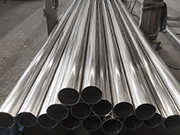
Why Is 316 Stainless Steel Pipe Highly Corrosion Resistant
316 stainless steel pipe is widely used in chemical processing, food production, coastal facilities, and industrial piping because it resists many forms of corrosion. Its performance comes from the combination of chromium, nickel, and molybdenum, which gives the alloy an advantage in environments...Read more -
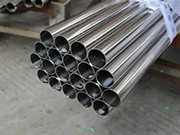
Why Do Coastal Engineering Projects Use 316 Stainless Steel Pipe
Coastal engineering projects face a persistent materials challenge: salt carried by sea spray and wind can settle on pipe surfaces, while humidity and limited natural washing allow chloride deposits to accumulate. Over time, these conditions can increase the risk of localized corrosion and raise ...Read more -
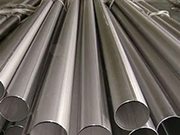
What Surface Finishes Are Available for 316L Stainless Steel Welded Pipe
The surface finish of 316L stainless steel welded pipe affects its appearance, cleanability, and suitability for different applications. For buyers, selecting the right finish means considering not only how the pipe looks, but also its operating environment, fabrication requirements, and specifie...Read more -
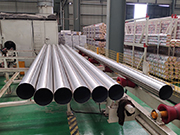
How Is 316 Stainless Steel Welded Pipe Manufactured
316 stainless steel welded pipe is used in chemical processing, marine equipment, industrial piping and other applications where corrosion resistance is important. Its performance depends on more than the material grade. Forming accuracy, weld quality, surface treatment and inspection all contrib...Read more -
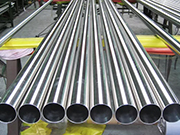
How to Choose the Right Wall Thickness for 304 Stainless Steel Pipe
Choosing the right wall thickness for 304 stainless steel pipe is essential for meeting engineering requirements, controlling material costs, and maintaining reliable service. A wall that is too thin may not satisfy pressure or mechanical design requirements, while excessive thickness can increas...Read more -
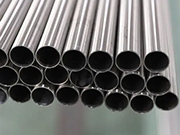
How to Maintain 304 Stainless Steel Pipe in Engineering and Construction Projects
304 stainless steel pipe is commonly used in building services, industrial facilities, water systems, and general construction projects. Its corrosion resistance and durability make it suitable for many applications, but these properties do not eliminate the need for maintenance. Dust, chloride d...Read more
China's most trusted manufacturers of Stainless Steel Pipes & Tubes.

- Email Support info@hunantube.com
- Call Support +86-0731-88672086